

You’re sitting quietly when a mosquito bite on your ankle suddenly demands attention. Or a wool sweater brushes your neck and you can’t think about anything except scratching. That maddening sensation—itch—is your body’s alarm system telling you something’s touching your skin that shouldn’t be there.
The short answer
Itching happens when immune cells in your skin release histamine in response to an irritant, allergen, or insect bite. Histamine binds to receptors on specialized nerve endings called C-fibers, sending an electrical signal to your brain that registers as the urge to scratch.
The itching mechanism: histamine and your nerves
Your skin is packed with about 15,000 mast cells per square centimeter—immune cells that act as sentries, watching for threats. When something irritates your skin (dry air, an allergen, a mosquito’s saliva, rough fabric), these mast cells release histamine into the surrounding tissue.
Histamine doesn’t cause itch directly. Instead, it binds to two types of receptors on C-fiber nerve endings in your skin: H1 receptors and H4 receptors. These receptors act like molecular locks—when histamine turns the key, the nerve fires an electrical signal.
C-fibers are slow conductors, moving signals at just 0.5 to 2 meters per second (compared to pain fibers, which zip along at 5 to 30 meters per second). That’s why an itch creeps up on you rather than hitting instantly like a pinprick. The signal travels up your spinal cord to your brain, where it arrives about 200 to 300 milliseconds after the original trigger—and suddenly, you need to scratch.
Here’s the interesting part most people don’t know: H1 and H4 receptors play different roles. This is why some antihistamines work brilliantly for hay fever but do almost nothing for certain kinds of itching. Over-the-counter antihistamines typically block only H1 receptors, leaving H4 receptors free to keep firing itch signals. Newer treatments targeting H4 are showing promise for chronic itch conditions that don’t respond to standard allergy medications.
Why scratching works (temporarily)
Scratching feels so good for about five seconds. Then the itch often comes roaring back—sometimes worse than before. What’s going on?
Your spinal cord has what neuroscientists call a gate control mechanism. When mild pain signals (like scratching) and itch signals compete for the same neural pathway, pain temporarily overrides itch. The gate closes on the itch signal, and you get sweet, blessed relief.
But here’s the catch: scratching also causes microtrauma to your skin—tiny injuries invisible to the naked eye. That damage triggers your mast cells to release more histamine, which binds to more receptors, which sends more itch signals. You’ve just fed the loop. This is the itch-scratch cycle, and it’s why eczema, psoriasis, and bug bites can spiral from annoying to unbearable if you keep scratching.
So scratching isn’t “always bad”—it genuinely blocks the itch signal for a few seconds. The problem is what happens next. For a mosquito bite that itches once and goes away, a quick scratch is harmless. For chronic skin conditions, it deepens the problem.
Why some people itch more than others
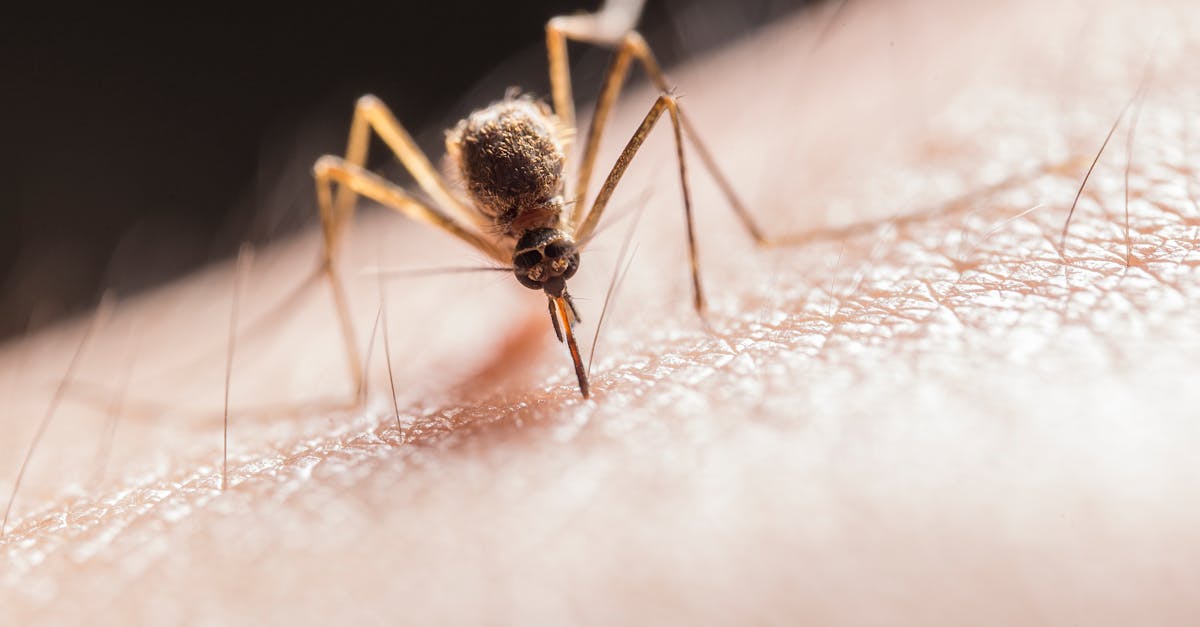
You and a friend both get mosquito bites. Yours swells into a quarter-sized welt that itches for hours. Theirs? A tiny bump, gone by morning. That’s not just luck—it’s skin sensitivity, and it’s biological.
Receptor density matters. People with more H1 and H4 receptors on their C-fiber nerves will feel more intense itch from the same amount of histamine. Think of it like volume knobs on a stereo—more receptors means the signal gets amplified.
Mast cell reactivity varies, too. Some people have hyperreactive mast cells that dump histamine in response to lower levels of irritation. This shows up in conditions like atopic dermatitis (eczema), chronic hives (urticaria), and mastocytosis. What barely registers for one person can trigger overwhelming itchiness for another—not because they’re more sensitive emotionally, but because their immune cells are more trigger-happy.
And there’s a neurological component. Your brain’s perception of itch intensity shifts based on mood, stress, attention, and past experience. The same peripheral signal can feel mild or unbearable depending on whether you’re distracted or fixated on it. Boredom and anxiety both make itch feel worse; this is well-documented in dermatology research on chronic itch.
Age plays a role, too. Older adults have thinner skin and lower thresholds for itch—the same wool sweater that didn’t bother you at 30 might drive you crazy at 70.
The evolutionary upside of itch
As annoying as it is, itch evolved for a reason: it’s a warning system. Unlike pain, which signals that tissue damage has already happened, itch alerts you to potential threats before serious harm occurs.
A mosquito lands on your arm. You itch. You swat it away before it finishes its meal and potentially transmits disease. You brush against poison ivy. The itch prompts you to wash the oils off your skin before a full-blown allergic reaction develops. You feel a crawling sensation—your body’s way of saying “check for parasites.”
Itch is annoying by design. If it weren’t compelling, you’d ignore it, and the threat would remain.
When itch has nothing to do with histamine

Not all itching follows the histamine pathway. Neuropathic itch happens when nerves misfire—no mast cells, no allergen, just a glitchy signal in the nervous system. Psychogenic itch is real itching triggered by psychological factors (yes, reading about itching can make you itch). And certain medications—especially opioids—cause severe itching through entirely different receptors (mu-opioid receptors on mast cells), which is why cancer patients on morphine sometimes itch maddeningly despite being on powerful painkillers.
Chronic, widespread itching with no visible cause can also signal underlying conditions like liver disease, kidney disease, or thyroid problems. If you’re itching all over for weeks with no rash or obvious trigger, see a doctor—this is one of those cases where itch is a symptom of something deeper.
What it means for you
The next time you itch, you’re experiencing a 200-millisecond journey from skin to spine to brain, powered by histamine and fine-tuned by evolution. Scratching works—but only for a few seconds, and only if you stop before you damage your skin and restart the cycle.
If you’re prone to intense itching, it’s not in your head—it’s in your receptors, your mast cells, and your wiring. Antihistamines can help, but only if they target the right receptor type. And if scratching makes it worse? That’s the microtrauma talking. Try ice, pressure, or distraction instead.
Itch is your body doing its job. The trick is knowing when to listen and when to ignore it.
FAQ
What causes itching when you’re sick?
Viral infections can trigger immune responses that release histamine and other inflammatory chemicals, even if the virus isn’t directly affecting your skin. Fever also dries out skin, lowering the itch threshold.
Why do bug bites itch more when you scratch them?
Scratching causes microtrauma, which prompts mast cells to release more histamine. You’re adding fuel to the fire. The initial itch was the mosquito’s saliva; the worsening itch is your own immune system reacting to the damage you just caused.
Can stress cause itching?
Yes. Stress activates mast cells and lowers your itch perception threshold, making the same stimulus feel more intense. Chronic stress is strongly linked to flare-ups in eczema and other itch-driven skin conditions.
Is itching a sign of healing?
Sometimes. As wounds heal, new nerve endings grow back and can send itch signals. But itching can also signal infection, allergic reaction, or irritation—context matters. A healing surgical incision that itches mildly is normal; a wound that itches intensely and looks red or swollen needs medical attention.
If you’re curious how other involuntary body responses work, check out Why Do We Blush? The Science Behind This Honest Signal and Why Do We Get Goosebumps? The Science Behind the Bumps—both involve similar nerve pathways and autonomic signals your brain sends without asking permission.
Written for general interest and accuracy-checked against peer-reviewed sources and medical institutions including the NIH, Mayo Clinic, and Harvard Medical School.