
Here’s the thing most people get wrong: when an opossum goes stiff, tongue lolling, eyes glazed — it’s not making a clever decision to fool you. It’s not “playing” at all. That animal is experiencing an involuntary, fear-induced paralysis controlled by its nervous system, and it has zero say in the matter.
This defense mechanism — called tonic immobility — is one of nature’s stranger survival strategies. It’s not rare, either. Animals from opossums to sharks to certain snakes enter this catatonic state when threatened, and understanding why requires looking at both the biology of fear and the psychology of predators.
1. What Playing Dead Actually Is: Tonic Immobility Explained
When we say an animal “plays dead,” we’re describing tonic immobility, a neurobiological response triggered by extreme fear or physical restraint. This is not a voluntary act. Research published in Royal Society Open Science shows the response is mediated by the vagus nerve — part of the autonomic nervous system that controls involuntary functions like heart rate and digestion.
Here’s what happens: a predator grabs the animal or corners it with no escape route. The animal’s stress response escalates from alert to panic, and at a certain threshold, the nervous system essentially shuts the body down. Muscles go rigid (or sometimes completely limp), breathing slows, and the animal becomes unresponsive. It looks dead. And crucially, the animal cannot simply “snap out of it” on command — the state breaks when the nervous system deems the threat has passed, which might take seconds or several minutes.
Key distinction: This is not the same as freezing. A frozen rabbit is motionless but alert, ready to bolt the instant the hawk looks away. An animal in tonic immobility is paralyzed and cannot react, even if touched. It’s a last-resort gambit when all other options have failed.
The heart does not stop, despite popular belief. Heart rate drops significantly, but the animal is very much alive — just locked in a defensive shutdown that it cannot control.
2. The Famous Players: Which Animals Use This Strategy
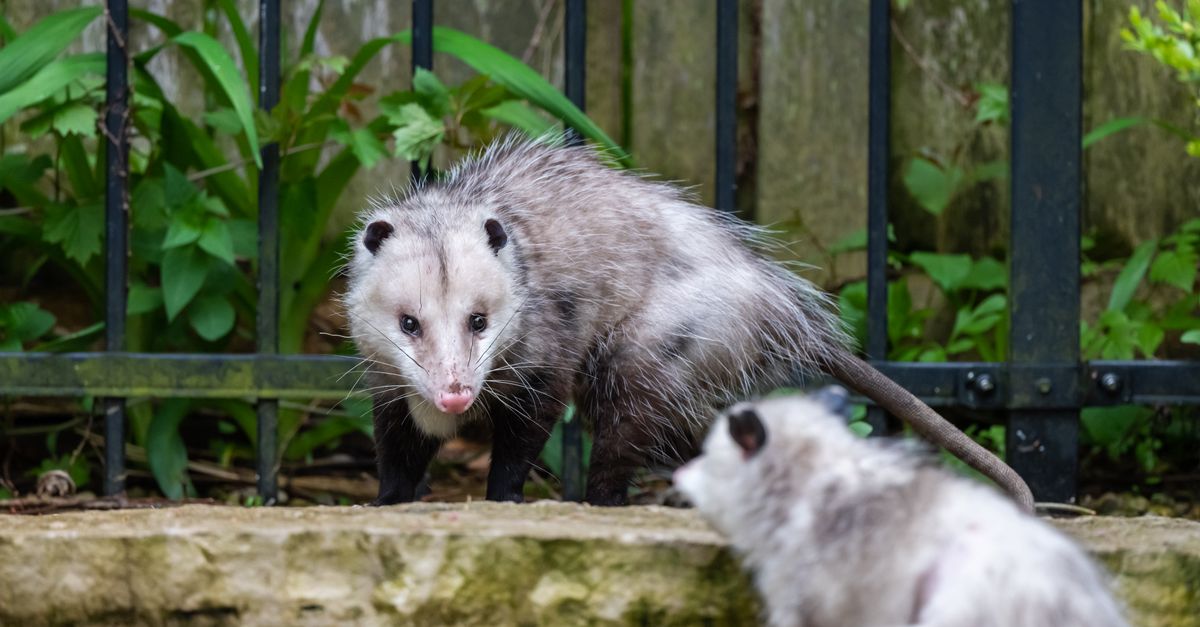
Virginia opossums are the poster children for this behavior in North America. When threatened, they collapse onto their side, go rigid, drool, and emit a foul-smelling greenish fluid from their anal glands (an additional deterrent). The whole performance can last anywhere from 15 seconds to four minutes. Opossums aren’t particularly fast or strong, so this Hail Mary defense evolved as their primary fallback when cornered.
Hognose snakes put on an Oscar-worthy death scene: they flip upside down, open their mouth, let their tongue hang out, and sometimes even emit blood from their mouth and musk from their cloaca. If you flip them right-side up, they’ll flip back over to “dead” position — a giveaway that the behavior is involuntary and reflexive.
Sharks experience tonic immobility when flipped upside down. Researchers use this to safely study sharks in the wild; the animal remains paralyzed for 15 minutes or more. The exact trigger isn’t fully understood, but it appears related to disorientation and the stimulation of sensory pores around the snout.
Rabbits and chickens enter milder forms of tonic immobility when restrained or flipped on their backs. Farmers and veterinarians have long used this to calm animals for examination, though it’s now understood that the animal is experiencing a fear response, not relaxation.
Some insects, crabs, and frogs also exhibit thanatosis (another term for playing dead). Certain beetles go rigid when touched; some crabs freeze when a shadow passes overhead. The behavior appears across the animal kingdom, suggesting it evolved independently many times — a sign that, under the right conditions, it works.
3. Why It Works: Predator Psychology and Movement

Most predators are wired to respond to movement. A fleeing rabbit triggers a chase response; a motionless lump on the ground does not. This is partly instinct and partly caution — carrion (already-dead animals) can carry disease or be spoiled, so predators that specialize in live prey often ignore still targets.
Playing dead exploits this bias. When the “prey” suddenly goes limp and stops moving, it flips from “food” to “possible corpse” in the predator’s brain. Depending on the predator’s hunger level, experience, and hunting style, it may lose interest and move on.
Where it works best:
- Against visual predators like foxes, weasels, and raptors that rely on movement to identify prey
- Against ambush hunters that wait for prey to trigger an attack; a motionless target doesn’t register
- In dense vegetation where the predator may leave the “corpse” and move on, giving the prey time to recover and escape
Behavioral studies indicate that tonic immobility is particularly effective against mustelids (weasels, stoats) in controlled settings — effective enough to have strongly favored the behavior’s evolution. The strategy also works by buying time: even if the predator doesn’t fully abandon the prey, those few seconds or minutes of paralysis might allow the predator to relax its grip, get distracted, or carry the “corpse” to a safer spot — giving the prey a slim chance to flee when it snaps out of the trance.
4. When Playing Dead Fails Spectacularly

This is not a foolproof defense, and the failures are brutal.
Hungry predators don’t care. A starving fox or coyote will investigate a “corpse” thoroughly, and that means biting, shaking, and potentially consuming the prey regardless of its state. The paralyzed animal has no defense at this point.
Scavengers aren’t fooled. Vultures, hyenas, and other carrion specialists are actively looking for dead things. Playing dead in front of them is like ringing a dinner bell.
Some predators cache their prey. A weasel might “kill” an opossum, drag it to a burrow for storage, and come back later. The opossum eventually wakes up — but if it’s already buried or stashed, escape is unlikely.
Predators that kill by constriction or crushing don’t need the prey to move. A snake that coils around a rat doesn’t care if it’s wiggling or limp; it squeezes until the prey stops breathing either way.
Experienced predators learn the trick. There’s evidence that some individual predators, after encountering enough “playing dead” prey that later escaped, stop falling for it. They’ll bite harder, wait longer, or simply eat the prey on the spot.
Playing dead is also risky because the animal is completely vulnerable during the paralysis. If a second predator shows up, or a car comes down the road, the animal cannot react.
5. How Playing Dead Fits Into the Defense Hierarchy
Animals don’t jump straight to playing dead. It’s the last card in a stacked deck of predator avoidance strategies, deployed only when everything else has failed.
Here’s the typical sequence:
- Avoidance: Don’t be noticed in the first place (camouflage, staying hidden, being nocturnal)
- Flight: Run, swim, or fly away at the first sign of danger
- Freezing: Go motionless to avoid detection, but stay alert and ready to flee
- Threat display: Hiss, puff up, rattle, show teeth — try to convince the predator you’re not worth the trouble
- Fight: Bite, scratch, kick, spray (think skunks or angry opossums)
- Tonic immobility: Complete paralysis when captured or cornered with zero chance of escape
Each strategy has a cost. Fleeing burns energy. Fighting risks injury. Playing dead means surrendering all control and hoping the predator walks away. Animals that rely heavily on tonic immobility — like opossums — tend to be slower, less aggressive, and generally bad at the earlier steps. It’s a desperation move that beats certain death, but only just.
Understanding this hierarchy also explains why you don’t see tonic immobility in apex predators or highly athletic prey. A healthy deer doesn’t play dead because it can outrun most threats. A wolf doesn’t play dead because it has teeth and a pack. This behavior belongs to the vulnerable: the small, the slow, the caught.
For a different take on defense mechanisms, check out How Do Octopuses Change Color So Fast? — another fascinating example of prey animals using biology to outwit predators.
Frequently Asked Questions
What is tonic immobility in animals?
Tonic immobility is an involuntary state of paralysis triggered by extreme fear or restraint. It’s controlled by the autonomic nervous system, not conscious choice, and leaves the animal temporarily unresponsive. It evolved as a last-resort defense when fighting or fleeing isn’t possible.
Is playing dead a voluntary response?
No. Despite the phrase “playing dead,” the response is involuntary. The animal’s nervous system triggers the paralysis automatically under high stress, and the animal cannot control when it starts or stops. Calling it “playing” is a misnomer — the animal is not pretending.
How long can an animal stay in a death-like state?
It varies by species and individual. Opossums typically remain in tonic immobility for 15 seconds to four minutes. Sharks can stay paralyzed for 15 minutes or longer when flipped upside down. The duration depends on the perceived threat level and how quickly the nervous system “reboots.”
Can predators be fooled by playing dead?
Sometimes. Predators that hunt by movement — like foxes, weasels, and some birds of prey — are often fooled because a motionless target doesn’t trigger their attack response. Scavengers and very hungry predators are much harder to trick, since they’re willing to investigate or eat carrion.
Why do opossums play dead?
Opossums are slow, not particularly strong, and lack effective weapons like claws or venom. When cornered, tonic immobility is their best survival strategy. The behavior is involuntary and kicks in when the opossum is grabbed or cornered with no escape route. It works often enough against mid-tier predators that evolution favored it.
Playing dead isn’t a clever ruse — it’s a last-ditch survival reflex hardwired into animals that have run out of options. The next time you see an opossum sprawled on the roadside, tongue out and glassy-eyed, remember: it’s not acting. It’s terrified, paralyzed, and hoping you’ll lose interest. For more surprising animal behaviors, explore Why Do Crabs Walk Sideways? The Biomechanics Explained and see how evolution shapes movement in unexpected ways.
Written for general interest and fact-checked against peer-reviewed research and authoritative natural history sources including the Royal Society Open Science and Smithsonian Institution.